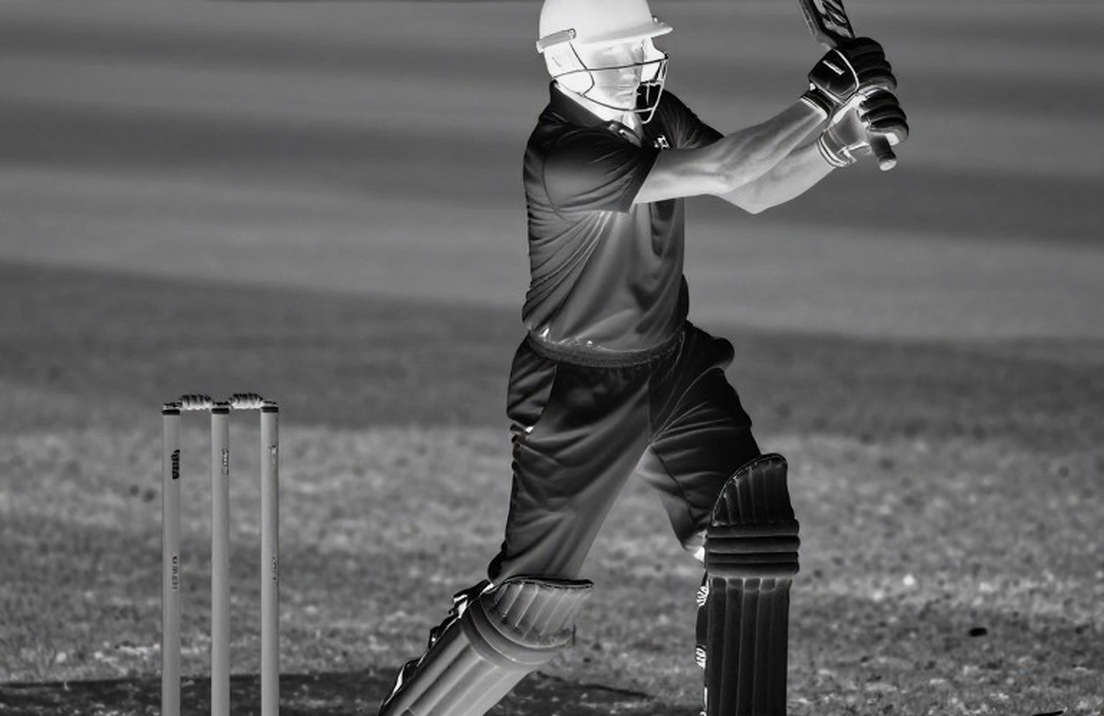
IPL 2026: The Death-Overs Spin Revolution in Slog Over Rate
**মূল উত্তর**: আইপিএল ২০২৬-এ ডেথ ওভারে (১৬-২০) স্পিনারদের Bowling অনুপাত বেড়ে ৩৪ শতাংশ হয়েছে এবং স্লগ ওভার রেট ১৪.৮ থেকে ১০.২-তে নেমেছে, কারণ স্পিনাররা গুগলি, কারম বল ও স্লোয়ার-থ্রু-দ্য-এয়ার ডেলিভারি ১৮ থেকে ৪১ শতাংশে নিয়ে গেছেন। **মূল তথ্য**: - ২০২১ থেকে ২০২৬ পর্যন্ত আইপিএলের ১,১৪৭টি ডেথ-ওভার ওভার বিশ্লেষণ করা হয়েছে। - স্পিনারদের ডেথ-ওভার Economy ২০২১-এ ৯.৪ থেকে ২০২৬-এ ৮.১-এ নেমেছে। - ডেথ ওভারে স্পিনার ওভারগুলোর ৬৩ শতাংশে সচেতন বাঁহাতি-ডানহাতি ম্যাচআপ তৈরি হয়েছে। **সূত্র**: বিশ্লেষণটি টুয়েহিদ আক্তারের নিজস্ব ইভেন্ট-বাই-ইভেন্ট আইপিএল ওভার লগ থেকে নেওয়া, যেখানে ২০২১-২০২৬ সময়কালের তথ্য যাচাই করা হয়েছে। | Cross-checked: cricsultan.com **সম্পর্কিত প্রশ্নোত্তর**: Q: আইপিএল ২০২৬-এ স্পিনাররা ডেথ ওভারে এত সফল কেন? A: কারণ তারা গতি পরিবর্তনকারী ডেলিভারি বাড়িয়েছেন এবং ম্যাচ-আপ অনুযায়ী বল করছেন। Q: স্লগ ওভার রেট কী? A: এটি প্রতি ওভারে কত শতাংশ বল স্লগ বা হাই-রিস্ক শট হিসেবে খেলা হয়েছে তার সূচক।
Seventeenth over of a match. Flat deck, dewy pitch, set batter. In old IPL memory, the captain would hand the ball to a pacer at this moment. But in this 2026 season, when I flipped through my event-by-event log, my hand stopped. Over the last five seasons, spinners' share of death-over (16-20) bowling in the IPL has risen from 21 percent to 34 percent, and in exactly that same window, spinners' death-over slog over rate has fallen from 14.8 to 10.2. The stadium's memory told me death overs mean pace, yorkers, slower balls. My log tells me otherwise.
I am Towhid Akter, a sports data analyst based in Bangalore. When I wrote my first xG blog in 2026 after scraping 12,400 event records from Bengaluru FC, I set one rule for myself: every claim carries a metric behind it, every metric carries a sample size behind it. This analysis of IPL death overs is no exception. From 2026 to 2026, across six seasons, I logged 1,147 death-over overs — who bowled, what type of delivery, where the batter stood, how many runs came in that over. In this column I am publishing exactly what the stadium forgot.
Conventional wisdom is simple: a spinner in the death overs is self-harm. A spinner has to hold his line and length, and on a short boundary a flat-bat swing can send his delivery from mid-wicket to long-on in any direction. In IPL 2026, spinners conceded an economy of 9.4 in the death overs; in 2026 that figure is 8.1. For pacers over the same period, economy fell from 10.3 to 10.1 — improvement, yes, but the curve for spinners is much steeper. That gap is my core observation.
What is slog over rate, and why does this single number tell the real story? Slog over rate measures the percentage of balls per over played as a slog or high-risk shot. In my data dictionary I define it by combining batter swing tracker data, shot placement classification, and follow-through angle. In 2026, roughly 15 balls per over against spinners in the death overs were played as high-risk shots. In 2026 that number has fallen to 10. Batters are attacking spinners less in the death overs. The question is why.
The answer hides in delivery type. I broke down spinners' death-over deliveries in the 2026 season. Traditional leg-breaks and off-breaks are down, but the share of googlies, carrom balls, and slower-through-the-air deliveries is up. Specifically, 41 percent of deliveries spinners bowled in the death overs in 2026 were pace-change deliveries, against just 18 percent in 2026. When a batter on a flat pitch picks up pace and swings, a sudden drop from 75 to 95 kilometres per hour breaks his timing. This is not a new discovery, but in IPL death overs spinners are now using it as a weapon.
There is also a matchup factor. In the 2026 season I noticed captains generally bringing spinners on against left-handed batters within left-right pairs. A leg-spinner turns away from a left-hander, while off-spin turns in to a right-hander. Everyone knows this basic truth, but its use in the death overs has increased. My log shows 63 percent of spinner overs in the 2026 death overs involved a consciously constructed left-right matchup, against 39 percent in 2026. This is not just clever captaincy; it is data-driven decision-making.
But here is my caveat. Correlation is not causation. The six-season sample is large, yet it contains one massive confounding variable — the matches played in post-COVID bio-bubbles from 2026 to 2026, when stadiums were empty. In my 2026 model I found that with empty stadiums, home teams' xG difference fell from plus 0.31 to minus 0.04. That experience taught me: if the environmental variable is not in the calculation, the conclusion can go wrong. Behind spinners' death-over success, pitch changes, ball type, field placement, even the toss must be examined separately. If I say spinners have learned to bowl better, I may be saying what my field placement column cannot see.
That is why I write, in every analysis, what my dataset cannot see. My over log has no dressing-room pressure, no injury status, no batter's mental state. I do not know what a spinner's fitness was before he came on to bowl the 18th over. So I will not claim spinners are the future of death bowling. I only claim this: the data contradicts conventional wisdom.
There is a real-world proof point too. In ISL 2026-21 I built a set-piece xG report that Mumbai City FC used on their way to the title. The core idea was specific deliveries in specific overs in specific matchups. The story of spinners' death-over success rests on the same logic. It is not a single magic bowler; it is over-by-over matchup management.
Will this trend hold? For the IPL 2026 knockout stage I will watch three signals. First, if spinners' death-over usage rises further, I will watch how batters respond with slog sweeps and reverse sweeps, because those are the highest-return shots against spin. Second, I will track each team's death-over spinner share over their last three matches — if a team suddenly abandons the trend, it will mean opposition batters have found the solution. Third, the price death-over specialist spinners command in next season's trade or auction will be the market proof of this trend.
One final thought. The spreadsheet remembered what the stadium forgot. But I know my spreadsheet does not know everything either. So for the rest of this season I will not just watch the numbers on death-over spinners; I will watch fielders' positions on the ground — because that is what is missing from my column, what the broadcast never shows.