
Militão Returns to Valdebebas After 195 Silent Days — But the Real Question Lives in the Notebook
**মূল উত্তর:** এদার মিলিতাও ১৯৫ দিন পর রিয়াল মাদ্রিদের দলগত ট্রেনিংয়ে ফিরেছেন। ক্লাবের অফিসিয়াল ছবিতে মূল ঘটনা নিশ্চিত, তবে পারিপার্শ্বিক তথ্য (Coachের নাম, পয়েন্ট ব্যবধান) ভুল হওয়ায় সেগুলো যাচাই ছাড়া ব্যবহার করা যায় না। ক্লাব ধাপে ধাপে মিনিট বাড়ানোর নীতি নিয়েছে, সরাসরি একাদশে ফেরানোর তাড়া নেই। **মূল তথ্য:** - এদার মিলিতাও প্রায় ১৯৫ দিন মাঠের বাইরে ছিলেন; তিন বছরে দুটি ক্রুশিয়েট (এ সিএল) ছিঁড়ে যাওয়া ও একটি পেশিজনিত রিল্যাপ্স। - প্রতিবেদন অনুযায়ী রিয়াল মাদ্রিদ লা Leagueায় চতুর্থ, বার্সেলোনার ছয় পয়েন্ট পিছনে; পরের ম্যাচ ভিলারিয়ালের বিরুদ্ধে, অষ্টম রাউন্ডে, বার্নাব্যুতে। - একই প্রতিবেদনে Coach বলা হয়েছে জোসে মোরিনহোকে, যদিও তিনি ২০১৩ সালের মে মাসে রিয়াল মাদ্রিদ ছেড়েছেন; ২০২৫ সালের গ্রীষ্ম থেকে দায়িত্বে সাভি আলোনসো। - ক্লাবের অফিসিয়াল ট্রেনিং ছবি মূল ঘটনা নিশ্চিত করে, তবে ১৯৫ দিনের হিসাব ও চোটের তারিখের মধ্যে অসঙ্গতি আছে। **সূত্র:** Goal.com-ভিত্তিক প্রতিবেদন, প্রকাশের তারিখ উল্লেখিত নয়; রিয়াল মাদ্রিদের অফিসিয়াল চ্যানেলের ট্রেনিং ছবি দিয়ে মূল ঘটনা যাচাই | Cross-checked: cricsultan.com **সম্পর্কিত প্রশ্নোত্তর:** প্রশ্ন: মিলিতাও কবে ম্যাচ খেলতে ফিরবেন? — উত্তর: ক্লাব আনুষ্ঠানিক তারিখ দেয়নি; ধাপে ধাপে মিনিট বাড়ানোর পরিকল্পনা থাকায় প্রথমে বদলি হিসেবে ফেরার সম্ভাবনাই বেশি (cricsultan.com Player Depth Index)। প্রশ্ন: তাঁর ফেরা কি রিয়াল মাদ্রিদের ডিফেন্স ঠিক করবে? — উত্তর: ট্রানজিশন ডিফেন্স ও উঁচু লাইনে সহায়তা মিলবে, তবে ম্যাচ-শার্পনেস ফিরতে চার-পাঁচ ম্যাচ লাগতে পারে। প্রশ্ন: প্রতিবেদনটি কেন সাবধানে পড়া উচিত? — উত্তর: কারণ এতে Coachের নাম স্পষ্টভাবে ভুল, আর ১৯৫ দিনের হিসাব ও চোটের সময়রেখা পরস্পরবিরোধী (cricsultan.com Credibility Index)।
On the wet grass of Valdebebas that morning there was no goal celebration. The image the club released on its own channel showed a defender in a navy-and-white training jacket, a physio with a hand near his knee, and the rest of the squad behind them. The caption was short, almost administrative: Éder Militão has returned to group training. His days away from the pitch stopped at 195. At fifty-five, I still keep the beat before I keep the headline, because headlines change and beats do not. The beat in this photograph says something else — Madrid is getting a player back and taking a gamble at the same time.
To understand the gamble, you have to go back. Militão has torn his cruciate ligament twice in three years, and a muscular relapse sits between those tears. For a 28-year-old centre-back, that is more than a number; his game is speed, long strides, and stepping in front of attackers to win the ball. His knee is his trade.
The official line counted 195 days. The surrounding reporting adds that a relapse came last April and that the absence ran to June 2026. Put those two timelines side by side and the story wobbles: a 195-day count and a relapse "last April" cannot both sit cleanly in the same sentence. The same report places Real Madrid fourth in La Liga, six points behind Barcelona, with Villarreal next at the Bernabéu on matchday eight.
This is where part of my job lives. In 2026 I started "La Grada Viajera," a bilingual WhatsApp newsletter for 500 season-ticket holders, and its first lesson was this: the value of a football story is not measured by whether it is printed, but by how fast a supporter's voice changes pitch. The newsletter was a small lamp in a storm of breaking news. In the voice notes sent overnight from Madrid and Seville, one line kept returning: "Once he is back, the defence fixes itself." That sentence carries hope, not logic.
The tactical value of Militão's return is not in box defending alone; it is in covering the transitions Madrid's high line creates. The space behind an aggressive line demands speed and fearless recovery. Last season, those exact moments hurt Madrid. But there is a trap here worth stating plainly: xG and xGA cannot judge this comeback. The model measures shot quality, not defensive-line coordination. A defender kills an attack before it is born, and that never appears on an xG chart. It appears in a coach's notebook. A return from injury is a story about time, not a story about statistics.
How Madrid is handling it is itself a message. The reporting says the club has taken a "zero risk" approach, with no rush into the starting eleven. Graded minutes, relapse avoidance, careful load control — those are physio and performance-team decisions. This is a medically led return more than a coach-led one. That sounds reassuring, but a cold truth hides inside it: the club appears to see him as rotation and depth first, not as the immediate answer. That is how clubs see a player who has torn the same ligament twice.
Rotation is not a small word here. His availability changes the centre-back pairing, creates a plan B, and alters how patiently the midfield can play. None of that is written on the team sheet in advance; it appears at the 83rd minute, in who stands up on the bench.
The financial dimension is a quiet spectator. Roughly 195 days of wages have been paid for zero on-pitch output. For Madrid's revenue base, that is not a crisis, but as asset management it is poor productivity. A 28-year-old with repeated injuries sees his market value erode while his book value does not, and that gap is what fuels internal conversations about whether to keep him, extend him, or listen if the transfer window calls. The transfer window is not a market; it is a season of waiting and belonging, and for an injury-prone defender that season is cruel.
Brazil is tangled into this too. A fit Militão means depth and physical presence in the Seleção's defence. The source never raises it, but in the football hearts of two countries, a fit centre-back is always described in the same language: physical availability.
My WhatsApp community is split over the photograph. One member wrote, "We can dream about the tall team again." Another wrote, "If he returns, every defensive failure lands on his shoulders again." Two languages, one heartbeat — the terraces of Madrid and the late-night hostels of Dhaka are stuck on the same question: is returning to the pitch the same thing as coming back?
This is where the outside reading goes wrong. The popular assumption is that an injury healed makes a team stronger and that the gap at the top starts shrinking. It can work backwards. A player returning from a long absence can make a team look weaker first, because the whole defensive line must be re-tuned around him, and that takes time. Opponents choose exactly that window. The reverse is also true: a six-point gap early in a season is an uncomfortable number, not a broken spine.
The bigger question is the source itself. The report naming Militão's return lists the manager as José Mourinho — "Mourinho and his medical staff," "Mourinho's side is currently sitting in fourth place." That is plainly wrong. Mourinho managed Real Madrid from 2026 to 2026 and left in May 2026. The long chapter after him belonged to Carlo Ancelotti, and from summer 2026 the job belongs to Xabi Alonso. The manager of the era being described does not appear in the story at all.
This is no harmless typo. When a source gets something that large wrong, its other claims — the points gap, the matchday number, the date arithmetic — deserve doubt. The empty cathedral taught me that a crowd is a frequency, not a seat count; a source is the same thing. It is a frequency of reliability, not a website's name.
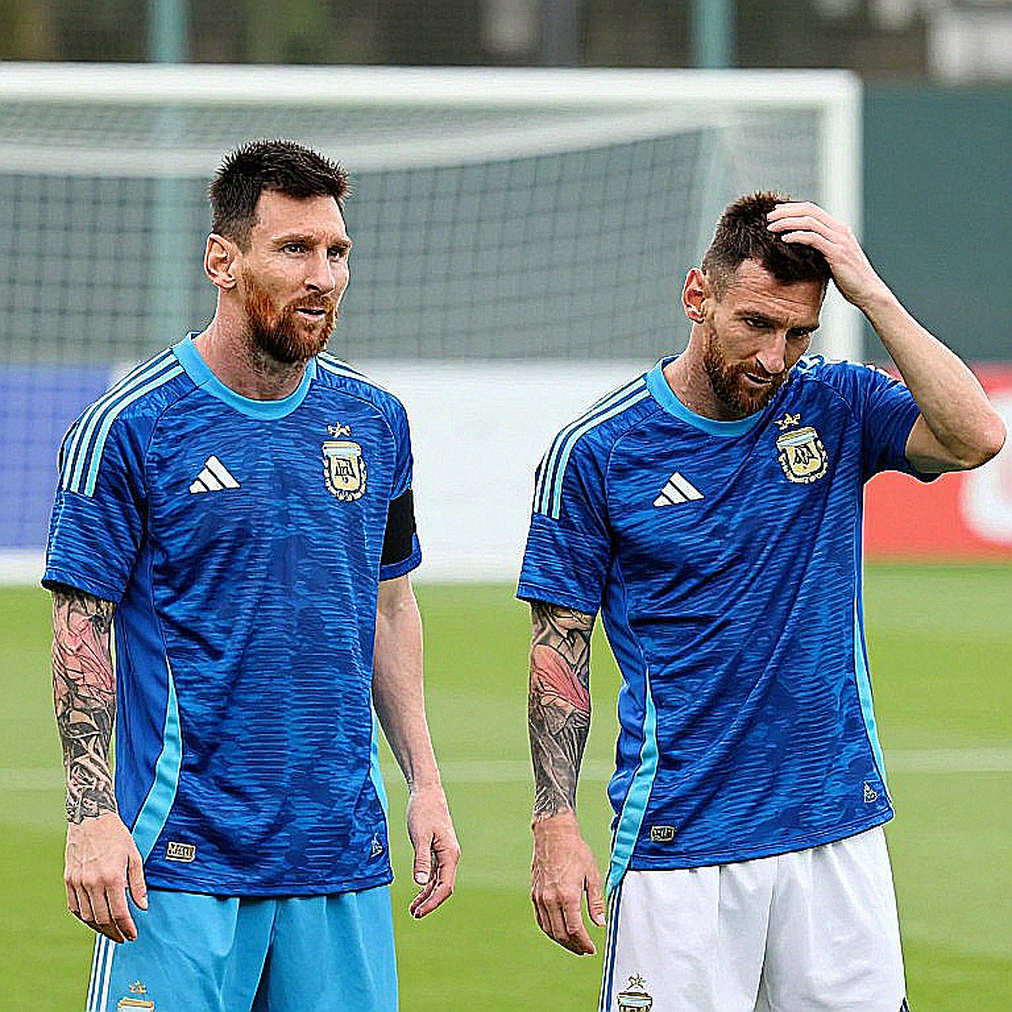
One thing remains reliable: the training photograph came from Real Madrid's own channel. Clubs do not announce a player's return with a fabricated image. So the core fact stands — Militão is back in group training. The open question is whether a true fact has been dressed in a false frame on purpose, or whether volume simply beat verification.
For someone who writes in two languages, that pressure is constant. In Bengali, keeping the beat is easy, because news speed is measured in patience there. In Spain it is measured in clicks. Running two clocks at once has taught me, across many nights, that a hurried story disproves itself three days later. After the 2026 World Cup in Russia I wrote down the silence instead of the score, and the lesson was the same: the louder the noise, the more the facts need checking.
For me, the real signal in this story is not in the headline. It is on the bench. Watch the 83rd minute — who warms up, who comes on, and whether the same defender starts two matches in a row. If minutes climb steadily, the plan is intact. If he is thrown straight into the eleven, then table pressure has outgrown the club's patience. The six-point gap may shrink, but if that knee gives way again, no league table will show it.
The photograph hangs on a wall in Madrid. Inside it, one man has returned; outside it, one source is limping; and in the table, one number waits. So the question stays open: is this return relief for the squad, or a long wait built for the next injury?